Wind energy in the wood
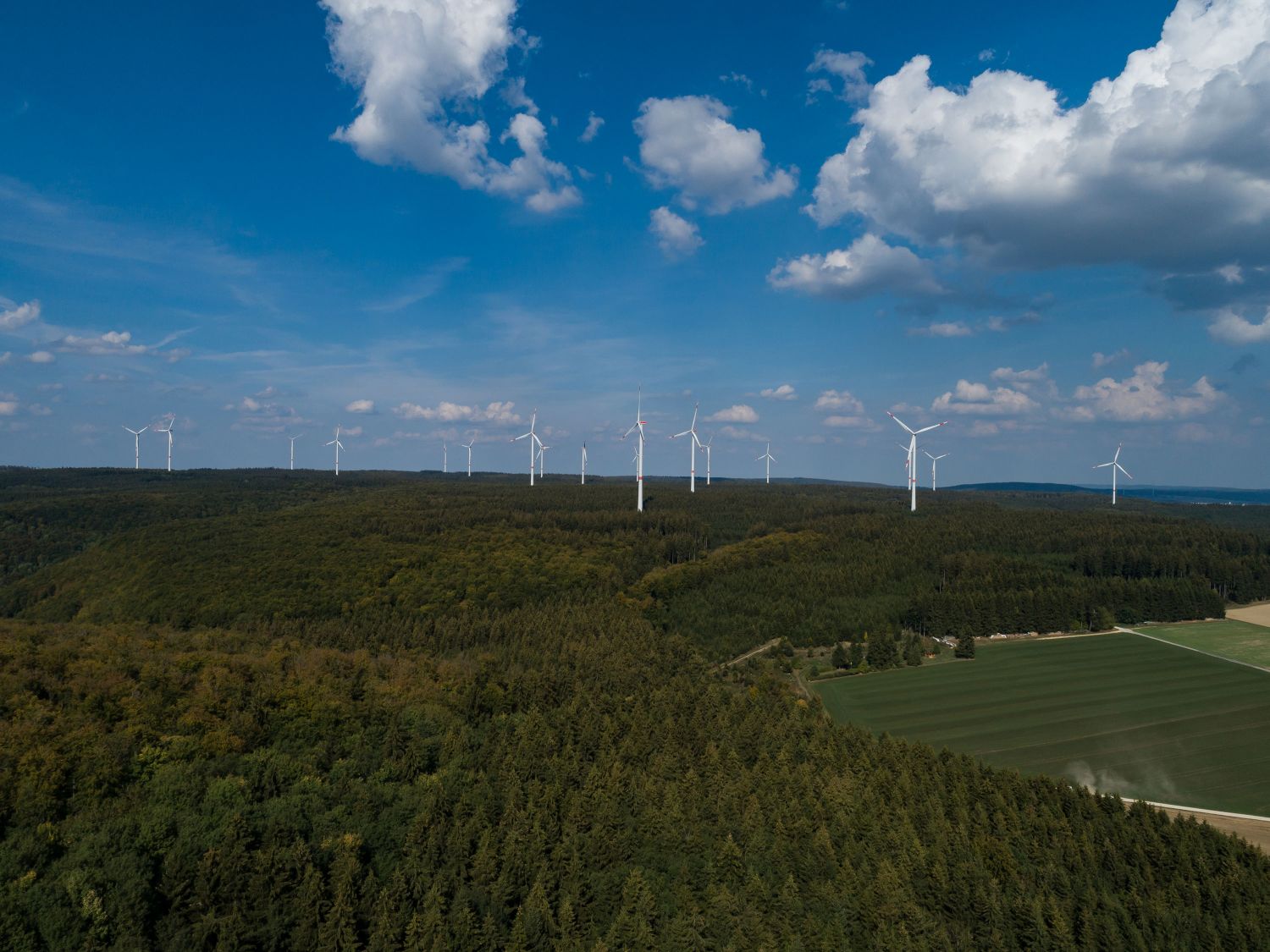
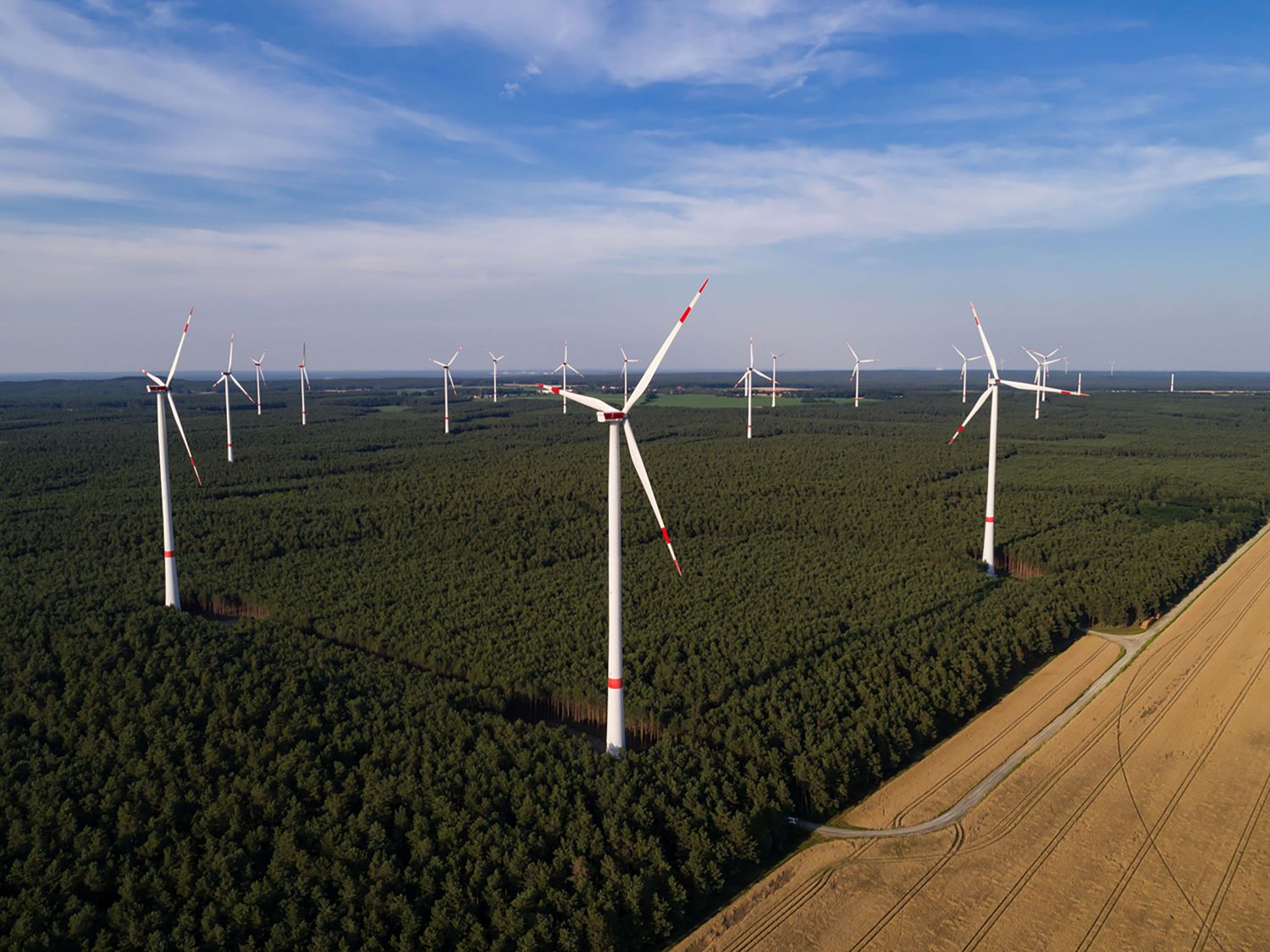
With around 11.4 million hectares of forest, Germany is one of the most densely wooded countries in the EU. However, our forests are not in good condition. Storms and extreme drought have a massive impact on the stability of the ecosystem and thus on the health of trees. While deciduous forests suffer immensely during heat waves, coniferous monocultures have been severely damaged by the mass reproduction of pests.
The arguments in favor of wind energy in forests go far beyond the planning of these previously damaged areas. Wooded regions are usually less populated, which has a positive effect on compliance with relevant distance criteria as well as sound and shadow effects.
In addition, forests are often located on ridges, which appear more attractive in terms of wind potential than, for example, agricultural valley locations.
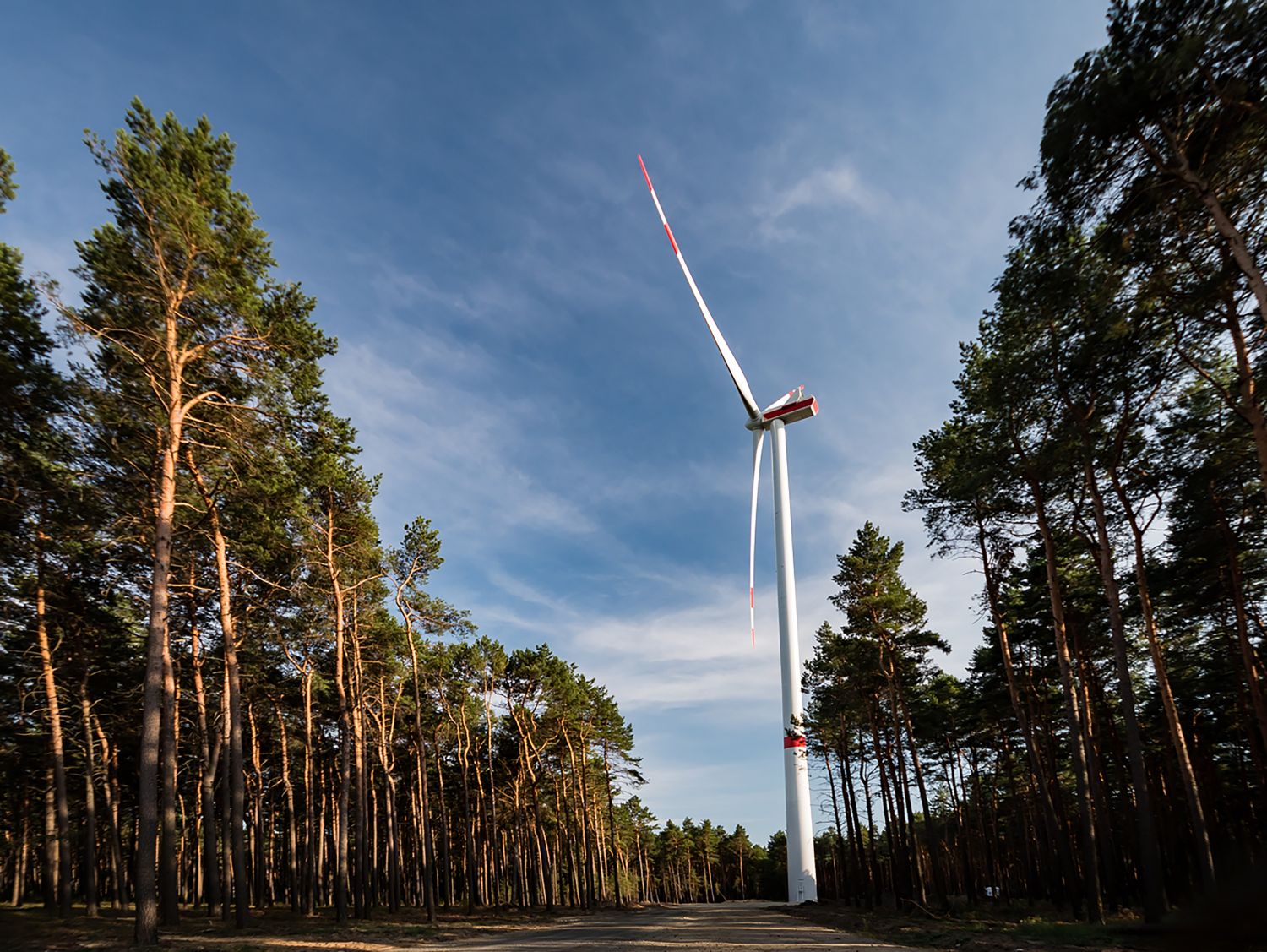
Our goal is to keep land use to a minimum. On average, 0.51 hectares are permanently used for the current 2,500 wind turbines (as of 12/24, FA wind). In addition to optimised logistics with measures for water and soil protection, as well as addressing a wide range of nature conservation issues, we also take into account the increasing relevance of individual fire prevention concepts in our planning.
In order to minimise our interference with the sensitive ecosystem of the forests, wpd focuses on close and constructive communication with local stakeholders, relevant authorities and, in particular, landowners:
- Our wpd team of experienced forestry experts understands the numerous challenges of the forest ecosystem and supports specialist departments in planning and implementation.
- External specialist offices are involved in compiling the comprehensive nature and species conservation reports.
- wpd uses existing paths and the necessary expansion is based on the existing infrastructure.
- Pre-assembly areas are primarily created outside the forest.
- wpd pursues the preferred use of calamity areas (forest or vegetation areas that have been affected or destroyed by a damaging event)
- Consideration for forestry and hunting, and minimisation of intervention through project-specific selection of the optimal installation method.

Hormann
“I always regarded working with wpd’s staff as a very pleasant experience. You could see very quickly that they knew what they were doing and took account of the requests and suggestions made by the forest-owners concerned. The reforestation measures for the Lauterstein wind farm were implemented in exemplary fashion. Quality was the top priority, especially when it came to selecting the forestry companies and nurseries to be involved.”

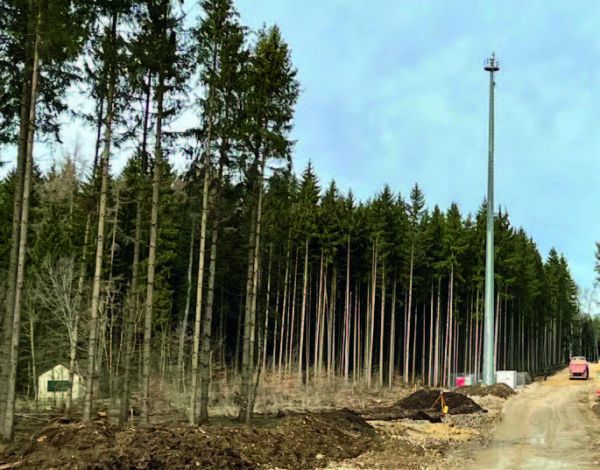
Location: Germany / Baden-Württemberg
Commissioning: 2024
Type: Vestas V-136
Number of turbines: 2
Rated power: 7.2 MW
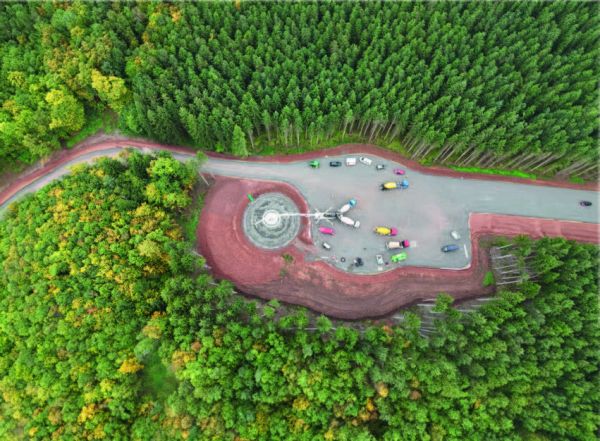
Location: Germany / Hesse
Commissioning: 2024
Type: Vestas V-150
Number of turbines: 5
Rated power: 21 MW
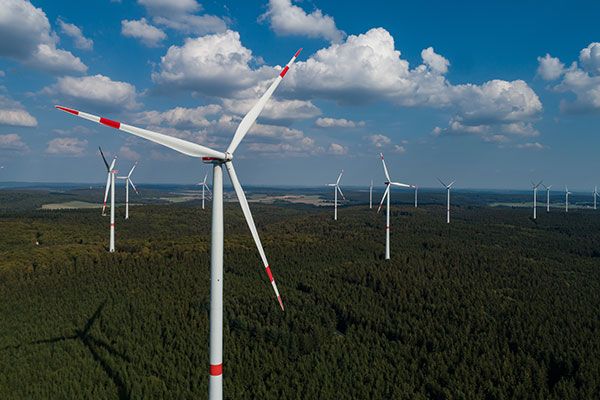
Location: Germany / Baden-Württemberg
Commissioning: 2016
Type: GE 2.75
Number of turbines: 16
Rated power: 44 MW
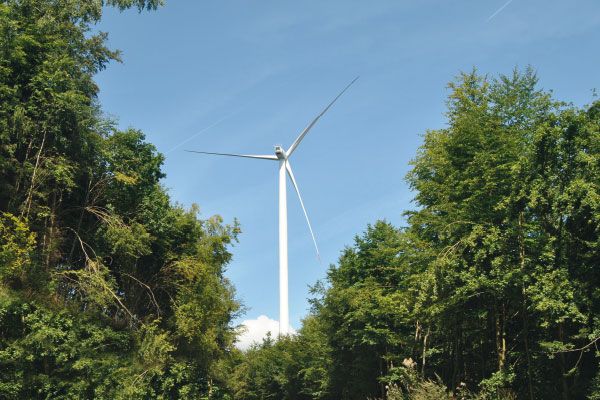
Location: Germany / Hesse
Commissioning: 2016
Type: Nordex N-117
Number of turbines: 5
Rated power: 12 MW
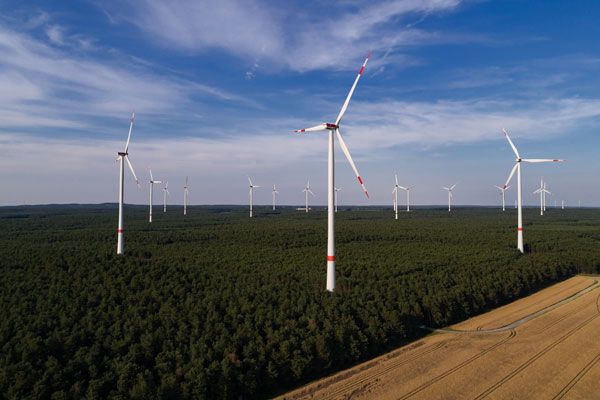
Location: Germany / Brandenburg
Commissioning: 2015
Type: GE 2,5-100
Number of turbines: 3
Rated power: 7.5 MW